
Favorite Tools for Demolition Service Professionals
Browse the most reliable and effective tools that demolition experts rely on for demanding job site conditions.
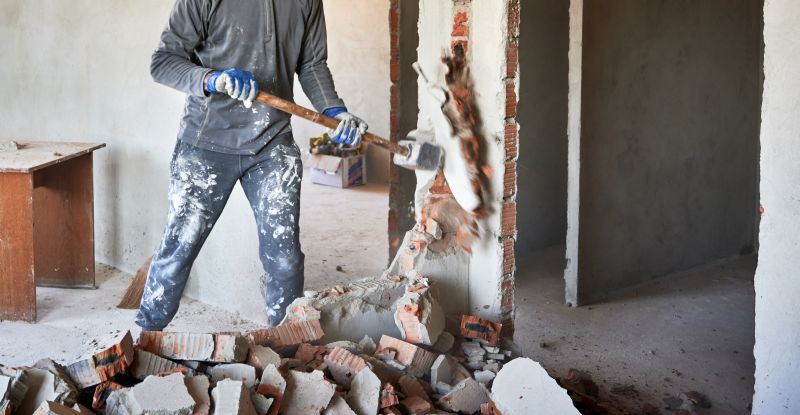 Demolition work in Findlay, OH requires specialized equipment and tools to ensure safety, efficiency, and precision. Whether tearing down structures, removing concrete, or dismantling old fixtures, having the right products is essential for successful projects. From handheld tools to heavy machinery, the variety of demolition products available caters to different scales and complexities of work. Proper selection of these tools can help streamline operations, reduce labor intensity, and improve overall safety on site.
Top Overall Option
Heavy Duty Demolition Hammer
A versatile and powerful demolition hammer is often considered an essential tool for various demolition tasks. It can handle breaking concrete, masonry, and other tough materials with ease, making it suitable for both small and large projects. Its ergonomic design and adjustable settings help improve user comfort and control, while its durability ensures consistent performance over time.
Types of Products For Demolition Service
Rotary Hammers
Powerful tools used for drilling and light demolition in concrete and masonry.
Jackhammers
Handheld pneumatic or electric tools designed for breaking up pavement and concrete.
Sledgehammers
Manual tools ideal for demolition of wood, drywall, and light masonry.
Pry Bars
Leverage tools used to pry apart materials and remove nails or fixtures.
Demolition Saw Blades
Specialized blades for cutting through concrete, metal, and other tough materials.
Excavator Attachments
Heavy machinery tools like hydraulic breakers and grapples for large-scale demolition.
Safety Gear
Protective equipment including helmets, gloves, goggles, and respiratory masks.
Dust Suppression Systems
Devices that help control dust during demolition to improve site safety.
Concrete Crushers
Machines designed to crush and recycle concrete debris on site.
Hydraulic Breakers
Powerful attachments for excavators to break through tough materials efficiently.
Manual Demolition Tools
A range of hand tools for detailed or delicate demolition tasks.
Wire Saws
Precision tools for cutting through concrete, stone, or metal structures.
Scrapers and Pullers
Equipment used to remove debris and dismantle structures efficiently.
Vibratory Plate Compactors
Tools used to compact soil or debris after demolition work.
Lifting and Rigging Equipment
Gear used for moving large or heavy demolition materials safely.
Popular Choices
Widely used for their portability and ease of use in various demolition tasks.
Essential protective headgear to ensure safety on active sites.
Popular for precise cutting of concrete and masonry materials.
Commonly used for large-scale demolition projects requiring heavy machinery.
Favored for their power and durability in tough demolition environments.
Important for respiratory protection during dust-generating demolition activities.
Versatile hand tools frequently used for manual dismantling.
Popular for cutting through tough materials with precision.
Protect hands from sharp edges, debris, and vibrations.
Often used after demolition to prepare the site for further construction.
Commonly chosen for manual demolition work requiring significant force.
Widely used for breaking large concrete structures efficiently.
Popular for lifting and rigging heavy demolition materials.
Frequently selected to protect eyes from flying debris.
Helpful for safely directing debris away from work areas.
Commonly used to power tools and equipment in remote demolition sites.
In demolition projects, safety gear and protective equipment are just as important as the tools themselves. Items such as helmets, gloves, and eye protection help safeguard workers from potential hazards. Power tools like jackhammers and rotary hammers are commonly used for breaking through concrete and masonry, while hand tools such as sledgehammers and pry bars assist with manual dismantling. Heavy machinery, including excavators with demolition attachments, can handle larger tasks efficiently, but require skilled operators.
Choosing the right products also depends on the specific materials involved and the scope of the project. For delicate demolition work, specialized tools that minimize damage to surrounding structures may be necessary. For larger-scale projects, equipment with higher power output and durability becomes a priority. Proper maintenance and handling are crucial to ensure longevity and safety of the tools, which ultimately contribute to a smoother demolition process. Understanding these factors helps professionals in Findlay make informed decisions when selecting demolition products tailored to their needs.
Key Buying Considerations
- Type of demolition project and scale to determine the appropriate equipment size and power.
- Material being demolished, such as concrete, metal, or wood, to select compatible tools and blades.
- Safety features and protective gear to ensure compliance and worker safety.
- Ease of handling and ergonomic design for prolonged use and reducing fatigue.
- Durability and build quality to withstand tough demolition conditions.
- Power source compatibility, including electric, pneumatic, or hydraulic options.
- Maintenance requirements and availability of replacement parts.
- Site conditions, such as space constraints or accessibility issues.
- Compatibility with existing equipment or attachments already on site.
- Budget constraints and long-term cost considerations including tool lifespan and operational costs.
- Environmental considerations like dust control and noise levels.
- Training and skill level required for safe and effective operation.
- Availability of after-sales support and warranty services.
- Regulatory compliance and safety standards relevant to the demolition industry.
- Versatility of the product for multiple types of demolition tasks.